The Calm of Order
How organized space supports mental focus and creates a foundation for intentional living. Discover the psychology behind visual rest and intentional design.
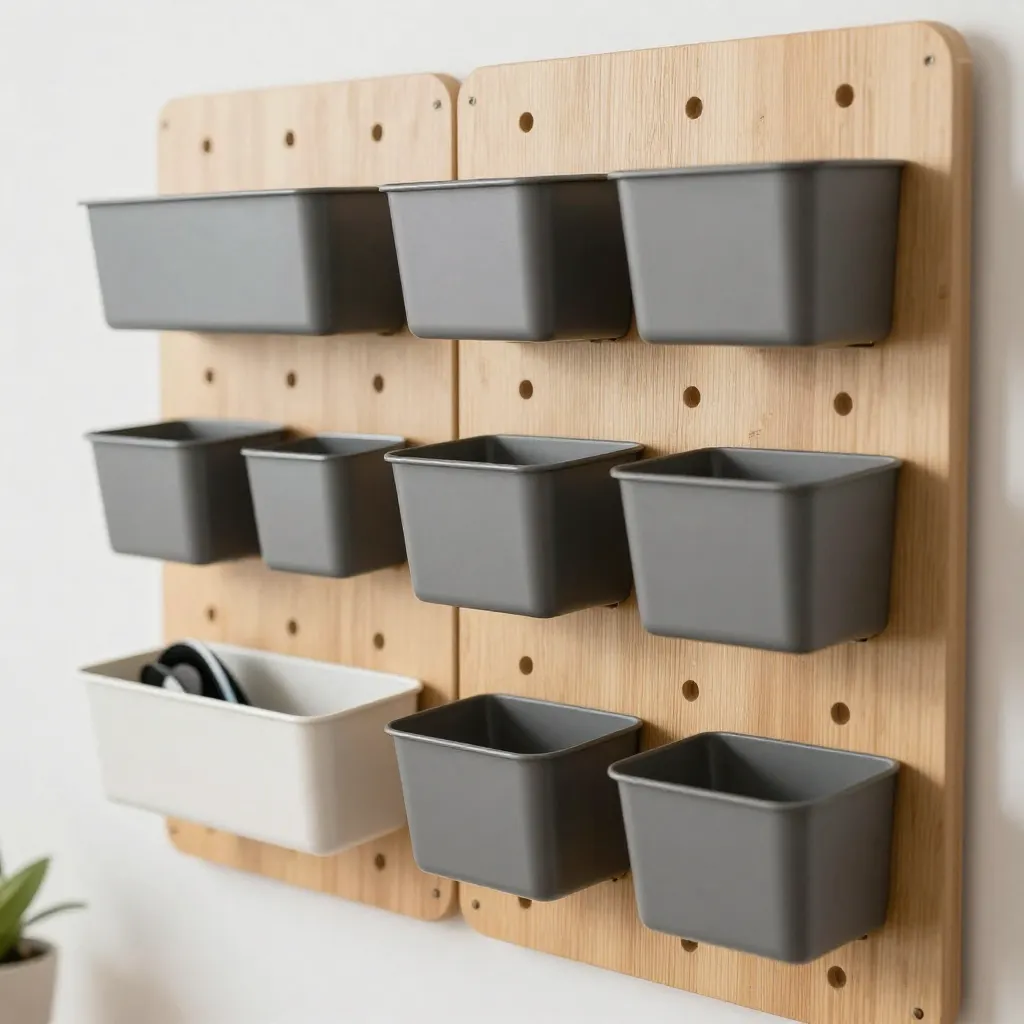
Understanding Visual Rest
Visual rest is the concept of creating spaces where the eye can pause, where there's no visual competition for attention. In our increasingly cluttered world, visual rest has become a rare commodity.
When every surface is covered with objects, every wall filled with art, every corner occupied, our brains work overtime to process all this visual information. This constant processing creates cognitive load—mental fatigue that affects our ability to focus, to relax, to think clearly.
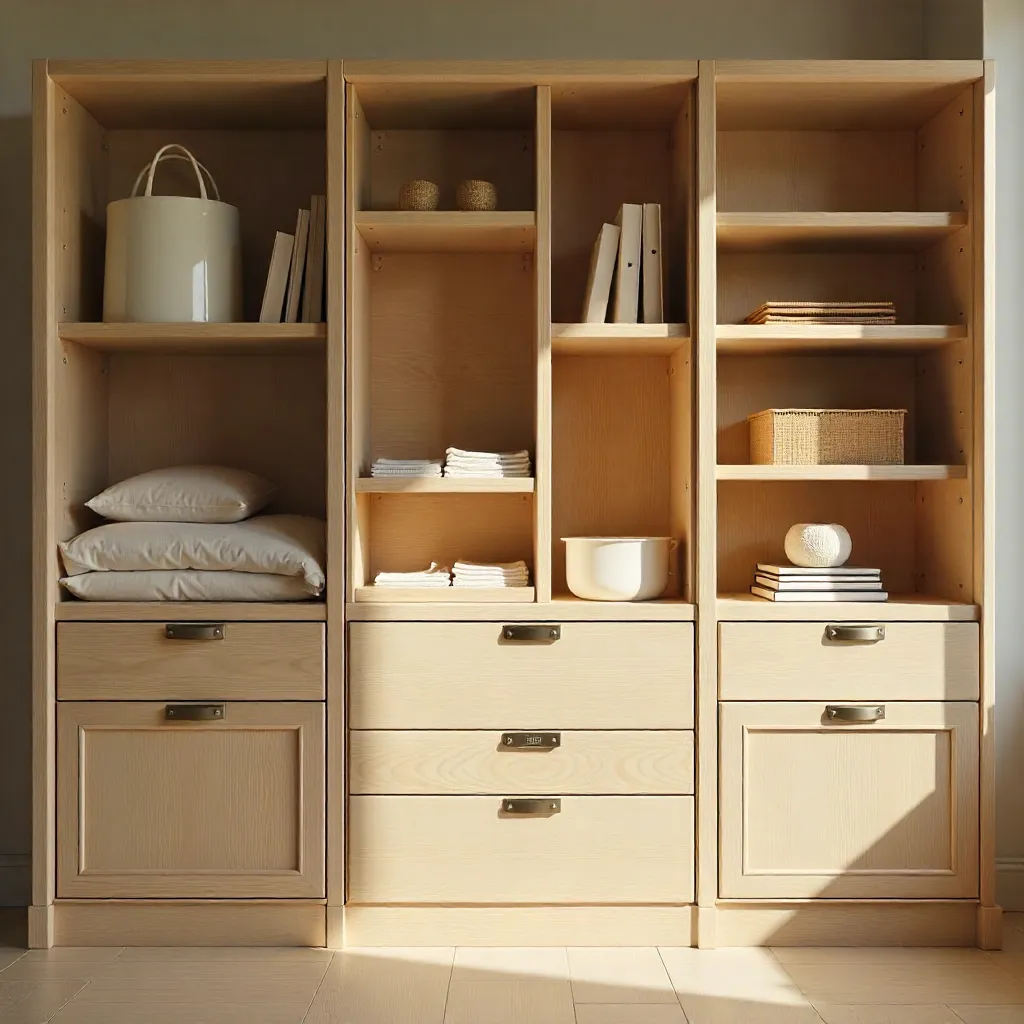
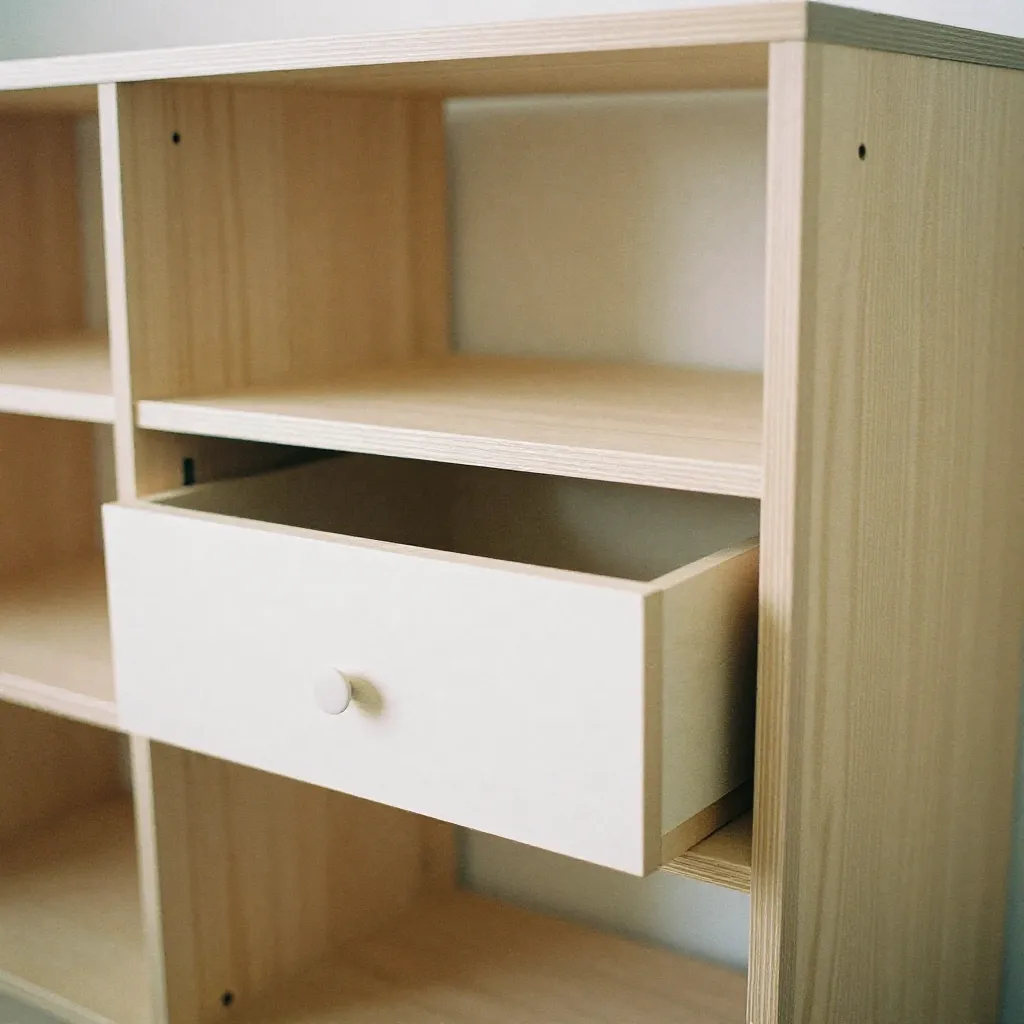
Integrated storage creates visual rest by removing objects from view. When belongings are stored behind seamless doors, when surfaces are clear, when negative space dominates, your brain can finally rest. This isn't just aesthetic preference—it's neurological fact.
Intentional Space
Intentional space is the opposite of accidental space. It's space that's designed with purpose, where every element serves a function, where nothing exists by default or convenience.
When storage is integrated and hidden, the objects that remain visible become intentional choices. A single ceramic bowl on a long shelf isn't clutter—it's a deliberate design element. A plant in an empty corner isn't filling space—it's creating a focal point.
This intentionality extends beyond aesthetics. When you can see everything you own, when everything has a designated place, decision-making becomes easier. You spend less mental energy on "where does this go?" and more on living your life.

How Organization Supports Mental Focus
The connection between physical order and cognitive clarity.
Reduced Decision Fatigue
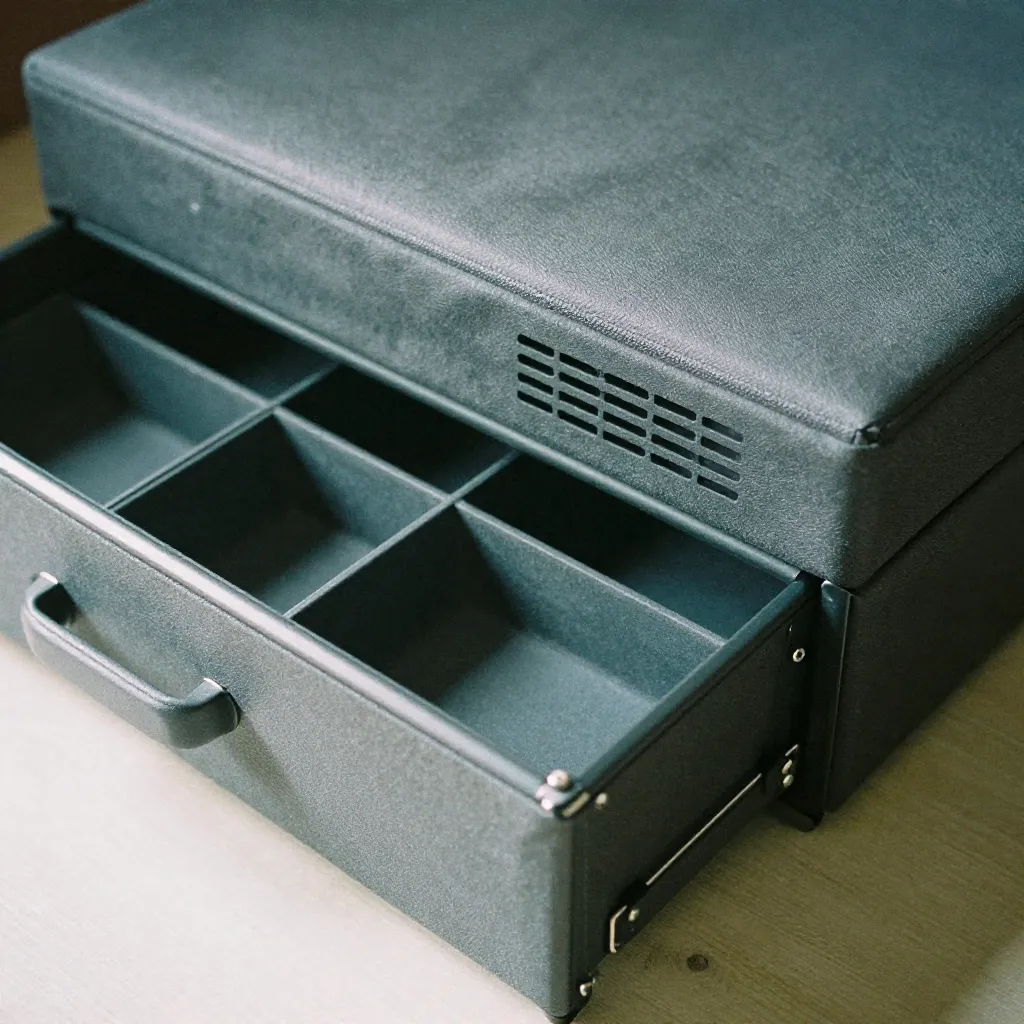
When everything has a place, you eliminate hundreds of micro-decisions each day. This mental energy is freed for more important choices, improving your overall decision-making capacity.
Lowered Stress Response
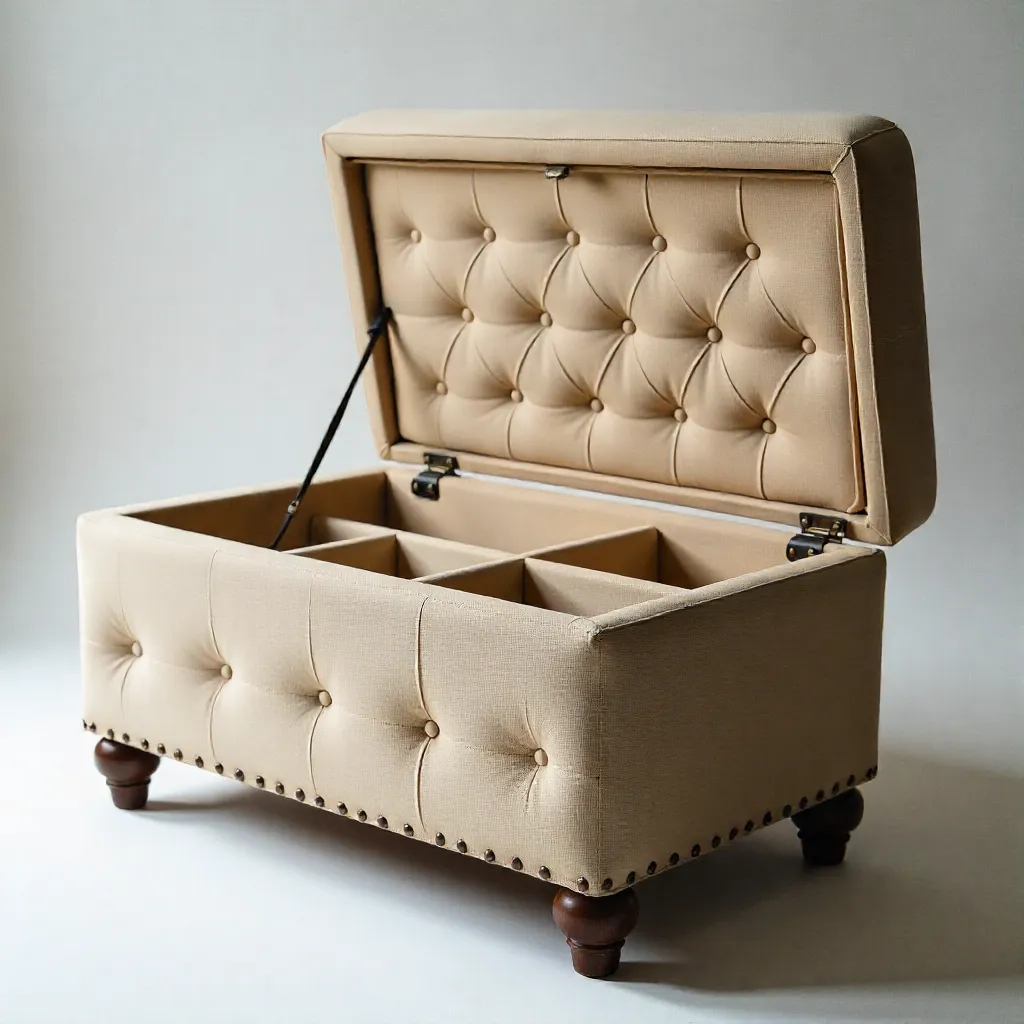
Clutter triggers a stress response in many people. The visual chaos of disorganization creates a sense of being overwhelmed, even when you're not actively thinking about it.

Enhanced Creativity
A clear space creates a clear mind. When visual distractions are minimized, your brain has more capacity for creative thinking, problem-solving, and deep work.
The Beauty of Negative Space
In Japanese aesthetics, "Ma" refers to the space between elements—the pause, the breath, the emptiness that gives meaning to the full. This concept applies powerfully to home organization.
When storage is hidden, when surfaces are clear, when walls are mostly empty, you create Ma. This negative space isn't wasted space—it's intentional emptiness that allows the few visible elements to shine.
The result is a space that feels larger, more peaceful, more intentional. It's a space that supports rather than competes, that calms rather than stimulates, that provides a foundation for the life you want to live.
Creating Your Calm
Organized space isn't about perfectionism or minimalism as an aesthetic choice. It's about creating an environment that supports your well-being, your focus, and your peace of mind.
When storage becomes invisible architecture, when belongings are accessible but unseen, when your space reflects intentional choices rather than accumulated stuff, you create a foundation for a calmer, more focused life.
This isn't about having less—it's about having better. Better organization, better design, better support for the life you want to live. It's an investment in your daily experience, in your mental clarity, in your personal calm.

Begin Your Journey to Calm
Discover how integrated storage can transform not just your space, but your daily experience. Contact us to learn more.
Learn More